
What's Hot: Karishma Kaa Karishma · Everest · Circus · The Adventures of Hatim · Sisters · Akoori
Desi Serials
154 Hindi serials and web series for the family: television classics and short comedies and dramas about friends, flatmates, offices, couples and families.
Switch Channel
Television shows
- Karishma Kaa Karishma
- Everest
- The Adventures of Hatim
- Kavya - Ek Jazbaa, Ek Junoon
- Junooniyatt
- Star Bestsellers
- Circus
- Saat Pheron Ki Hera Pherie
- Dil Deewana Mane Na
- Guru Aur Bhole
- Tum Jo Mile
- Mere Rang Mein Rangne Waali
- Siddhanth
- Dil Yeh Ziddi Hai
- Manpasand Ki Shaadi
- Pyaar Mein Twist
- Doosra Keval
- Dhadkan Zindaggi Kii
- All Television shows (29)
YouTube shows
- Life Sahi Hai
- Sisters
- Couple Goals
- Backpackers
- Bravehearts
- AFK - Away from Keyboard
- Home Sweet Office
- School Friends Class of 2026
- Emergency Room
- Tathaastu
- Dooriyan - A Love Story
- Saala Salil
- MitronPolitan - Life in 20s
- High Heels
- Rimjhim - Choti Umar, Bada Safar
- Tankesh Diaries
- Pehla Pehla
- Pyaar on the Rocks
- All YouTube shows (36)
MX Player shows
ZEE5 shows
Streaming shows
Comedy






Classics








Mini-series



Hindi serials and web series in English: the Desi Serials guide
Desi Serials: Hindi serials and web series in English, from Circus, Karishma Kaa Karishma, Everest and The Adventures of Hatim to Sisters, Akoori and Star Bestsellers
Indian television has two great traditions. One is the daily serial, which runs for years and is watched a little at a time. The other is quieter and easier to recommend to a newcomer: the serial with a beginning, a middle and an end. It started on Doordarshan in the 1980s, when a story might run for thirteen or twenty-six weekly episodes, and it has returned in our own time as the web series, a short season of four to ten episodes made for a streaming service or for YouTube. Desi Serials is an English guide to that second tradition: 154 Hindi serials and web series, each with its own page, its story in English, its seasons and episodes, and a Watch now button that leads to the official services carrying it in your country.
The catalogue has been chosen by hand for family viewing. It gathers television classics such as Circus and Karishma Kaa Karishma, adventures such as Everest and The Adventures of Hatim, and a wide choice of recent short series about friends, flatmates, first jobs, couples and families. Most of them can be finished in a weekend, and many in a single evening.
The sections below are a relaxed tour: how the site is laid out, the television classics, the adventures, the family comedies, the stories of friends and offices, the romances, the mini-series and the platforms that make them. Each section links to a short help page, and the How to watch page sums up the simple steps from a title page to the official service.
How Desi Serials looks
Desi Serials keeps the look of the site it is named after, a tidy directory of shows arranged by channel. The page sits in a white box on a pale grey background with a faint diagonal pattern. At the top left is the logo, a small red television screen with a play arrow beside the name in dark grey and red; at the top right are the search box and a red My List button. Beneath runs the menu, a row of channel names set in a clean, slightly rounded typeface: Television, YouTube, MX Player, ZEE5, Streaming, Comedy, A to Z and Help. A thick red line appears under the channel you are viewing, exactly as on the original site. On a phone, the menu folds into a red three-line button.
Under the menu comes a pale red bar headed What's Hot, with links to six well-loved shows, and then a grey band with a red edge that carries the welcome heading and a line about the catalogue. The main feature of the home page follows: the Switch Channel panel. On its left is a column of five tabs, Television, YouTube, MX Player, ZEE5 and Streaming, each marked by a bar on its left edge that turns red for the current channel. On its right, each channel has a heading with a thick red underline and a list of its most watched shows in two columns, every name preceded by a small red plus sign, and a final link to the full list. The plus-sign lists and the underlined headings are taken directly from the original design.
Below the channel panel come three rows of posters, Comedy, Classics and Mini-series, with a grey bar under each poster that turns red when you point at it, and then this guide. The right-hand column holds three panels with the same red-underlined headings: Most Watched, with small posters; Browse, a list of the shelves with the number of shows in each; and Help Pages. A dark footer, closed by a red line, ends the page. The colours and the shapes were measured from saved copies of the original site and its style sheets from 2014 to 2017; the typefaces are close relatives of the ones it used, and every part of the page works with a keyboard, a screen reader and a small phone screen.
Television classics
The oldest serials in the catalogue come from the years when India had a single national broadcaster and the whole country watched the same programme at the same hour. The Classics shelf holds 18 serials first shown before 2016, and the Classics help page introduces them.
Circus, first shown on Doordarshan in 1989, was directed by Aziz Mirza and Kundan Shah and follows the artists of a travelling circus: the trapeze performers, the clowns, the ringmaster and the young man, just back from his studies, who is expected to take over the troupe from his father. That young man was played by Shah Rukh Khan, a few years before he became the biggest film star in India, and the serial was filmed with a real circus as it toured the country. Its nineteen episodes are affectionate, unhurried portraits of people who live for the applause of strangers.
Doosra Keval, from the same year, also stars the young Shah Rukh Khan, as a village boy who leaves for the city to find work and whose family is left waiting for news of him. Together, the two serials are a fascinating record of an actor at the very start of his career and of the gentle, literary style of Doordarshan drama.
Star Bestsellers, shown on Star Plus in 1999 and 2000, was an anthology: each episode told a separate story, written and directed by a young film-maker given a free hand. Several of those newcomers went on to become well-known directors of Hindi cinema, and the series is remembered as a nursery of talent. Yes Boss, which began in 1999, is a sitcom about a married couple, Meera and Mohan, who work in the same office and hide their marriage from a boss with a wandering eye; Rakesh Bedi, Aasif Sheikh and Kavita Kapoor kept it running for a decade.
Siddhanth, shown on Star One from 2004, follows a brilliant and ruthless lawyer who is changed by one case and begins to fight for people who are unable to pay him; it was admired for its writing and was nominated for an International Emmy award. Airlines, from 2014, follows Ananya Rawat, a young pilot determined to make her mark in a profession dominated by men, and Teri Meri Love Stories, from 2012, is a collection of feature-length romances, each with a different pair of popular television actors.
Ek Tha Chandar Ek Thi Sudha, from 2015, is a period drama taken from Dharamvir Bharati's much-loved Hindi novel Gunahon Ka Devta, the story of a student and his professor's daughter in the Allahabad of the 1950s. Ek Nayi Ummeed: Roshni, from the same year, is a hospital drama built around Dr Roshni Singh, who puts her patients before the rule book, and Pyaar Mein Twist, from 2011, is a weekend comedy about a shy, bookish boy and a girl who loves films.
Adventure and fantasy
Indian television has always had room for a tall tale, and several serials here are adventures for the whole family.
Everest, shown on Star Plus in 2014, was created by the film director Ashutosh Gowariker, with music by A. R. Rahman. Anjali Singh Rawat, a young woman who feels overlooked by her father, a former army officer, enrols at a mountaineering institute in Uttarkashi and sets out to climb the highest mountain in the world to win his respect. The serial was filmed in the Himalayas, including at the base camp in Nepal, and it told its story in a little over a hundred episodes and then ended, as planned.
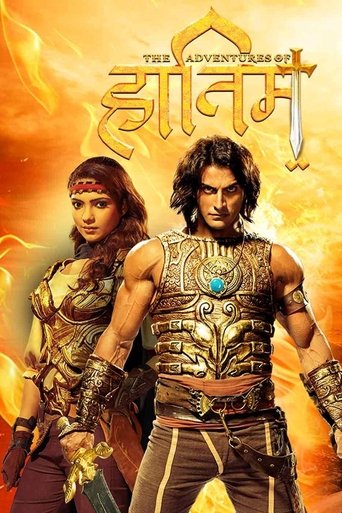
The Adventures of Hatim, from 2013, retells the legend of Hatim, the generous prince who leaves a quiet life to answer riddles, cross enchanted lands and save the world from the sorcerer Zargham. Alibaba: Dastaan-E-Kabul, from 2022, is drawn from the Arabian Nights: Ali, a kind-hearted young man who looks after a group of orphaned children in the mountains of Kabul, finds his destiny bound up with a famous cave and its forty thieves.
Aaryamaan : Brahmaand Ka Yoddha, from 2002, is a space adventure in the spirit of the great science-fiction serials: Aaryamaan, a warrior prince played by Mukesh Khanna, defends the people of the Ariyana galaxy with courage and a shining sword. Children of the time watched it faithfully every week. Loop 11:47, a recent web series, gives fantasy a comic twist: three friends, tired of their routine lives, find a mysterious lake and are caught in a loop of time, living the same stretch again and again until they learn what they need to.
Shows for children
Several shows are made for younger viewers, and the Family shelf, with 33 titles, is the place to find them. The Family shows help page lists the best choices.
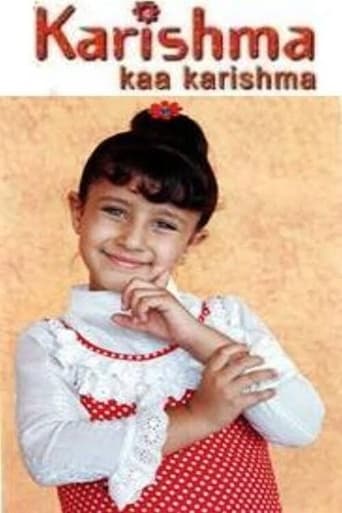
Karishma Kaa Karishma, which began on Star Plus in 2003, is the Indian version of the American sitcom Small Wonder. A scientist builds a robot in the form of a little girl and brings her home to live as his daughter; Karishma is immensely strong, takes every instruction literally and has to be hidden from the curious neighbours. Jhanak Shukla played the robot with a wonderfully straight face, and the series ran every Friday evening to a devoted audience of children.
Vicky & Vetaal, from 2006, was the first live-action series made in India for the Disney Channel: Vicky, a schoolboy, befriends Vetaal, a friendly ghost from the old folk tales, who gets him into one scrape after another. Kabhi Aise Geet Gaya Karo, also from the Disney Channel, follows a musical family through its ups and downs, and Lage Raho Chachu follows a screenwriter who suddenly becomes the guardian of his nephew and two nieces.
Animation is represented by Sudha Murty - Stories of Wit and Magic, taken from the children's books of the much-loved author, in which ordinary people meet extraordinary events and learn something along the way; by Chhota Bheem Kirmada, a three-part adventure of the brave boy from Dholakpur; and by Guru Aur Bhole, about a singer and a dancer, best friends who escape one sticky situation after another through music.
Family comedies and dramas
The family is the great subject of Indian television, and the short series of recent years have found fresh ways to tell its stories.
Akoori, from 2018, is set among the Parsis of western India. Dara, a stubborn man of fifty-five, is trying to protect the family property when his wife falls gravely ill, and he is obliged to call home the grown-up children who have kept their distance from him. What follows is a comedy of old grudges and reluctant affection, named after the spiced scrambled eggs of Parsi kitchens, with Lillete Dubey among the cast.
Sutliyan, from 2022, brings three grown-up children back to their mother's house in Bhopal for Diwali, a few months after the loss of their father, and lets the festival do its slow work on a family that has stopped talking. Paithani, from 2024, is the story of Godavari, a weaver famous for her handmade Paithani saris, played by Mrinal Kulkarni; when she decides to retire, her daughter sets out to find the last sari she wove and give it back to her. Both are warm, unhurried dramas that reward patient viewers.
Babbar Ka Tabbar, from 2018, is a sitcom about the Babbar family, in which the parents and their grown-up children try, with mixed success, to bridge the gap between two generations. Sandwiched Forever, from 2020, follows a newly married couple, played by Aahana Kumra and Kunaal Roy Kapur, who move into a flat with her parents on one side and his on the other, and Atul Kulkarni is a delight as the bride's stern father. Mere Dad Ki Dulhan turns the usual wedding story around: a daughter decides that her widowed father deserves a companion and goes looking for one.
TVF DaduGiri pairs a grandfather, played by Sharat Saxena, with his grandson Giri, and shows that the older man is rather better at solving the problems of modern life than the young one. Baap Baap Hota Hai is a comedy about a father who always has the last word, and Abhishek is a Mumma's Boy follows a young man who tries to keep both his mother and his girlfriend happy. 2025 Jaane Kya Hoga Aagey, made in 2015, imagined the Joshi family ten years into the future, with gadgets in every room and the same old family squabbles.
Two sitcoms from Sony SAB complete the group. Saat Pheron Ki Hera Pherie follows two married couples who live as neighbours and compare notes on what makes a happy marriage, and Jijaji Chhat Parr Koii Hai is a comedy of two quarrelling families who share a house in Delhi, each claiming to own it, with a locked room upstairs that is said to be haunted.
Sisters, brothers and best friends
Friendship is the favourite subject of the web series, and the Friends and college shelf holds 36 shows. The Friends and college help page picks out the best.
Sisters, from the Girliyapa channel, stars Ahsaas Channa and Namita Dubey as two sisters who share a flat and very little else. One is tidy and serious, the other cheerfully chaotic, and their arguments about food, clothes, money and relatives will be familiar to anyone who has grown up with a sibling. The episodes are short, and the series has run for several seasons.
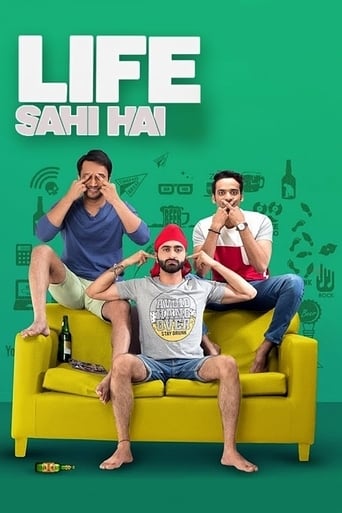
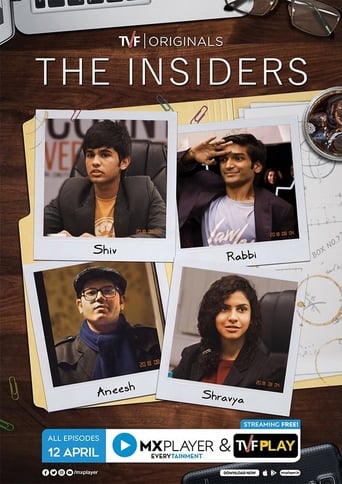
Brochara, from Dice Media, follows four friends, Dhiren, Kanan, Shivashish and Pranay, who lean on one another through the surprises of adult life. Roomies shuts three young flatmates of very different temperaments in together, and MitronPolitan - Life in 20s sends Rajat to Mumbai on his twenty-first birthday, into a flat full of misfits who show their affection by teasing. Life Sahi Hai follows four young men who have moved to Delhi to live on their own for the first time, and The Insiders is about a group of friends who meet in one room every Saturday and rely on their imagination when the internet is slow.
College is a world of its own. College Friends follows seven friends through crushes, confusion and the moments that stay with you long after graduation. Ziddi Girls, from 2025, is set at Matilda House, a women's college in Delhi, where five first-year students form deep friendships over a year of mistakes and self-discovery and stand up for the college they have come to love. UNI Ki Yaari follows four students with one month left before the placement season, and Campus Beats is set in a modern dance academy, where a newcomer with a hidden talent learns what friendship and fairness mean.
School stories have their place too. School Friends Class of 2026 follows three best friends into their final year, with examinations looming and feelings running high. Tuition Days is about Tanay, a gifted young mathematician, and his mischievous friend Girgit in the world of home tuition and coaching centres, and Pehla Pyaar - Less Than 1% Chance follows young Murli, who moves with his family from Ratlam to Patna, feels lost among his new classmates and then meets Nandini.
Travel brings friends together in several series. In Backpackers, Kanan and Era, two lovers of travel, meet on a trip to Manali and find a lasting bond. The Holiday sends a group of best friends to Mauritius for a celebration before a wedding, with empty diaries and great expectations, and Khwabon Ke Parindey follows Bindiya, Megha and Dixit as they drive a caravan across Australia, joined along the way by a quick-witted hitch-hiker named Akash. It Happened In Hong Kong is a small, charming series about two solo travellers, played by Amol Parashar and Aahana Kumra, who keep running into each other in a foreign city.
Office life
For a generation of young Indians, the first job in a big city is the great adventure, and the web series has made the office its second home. The Office life shelf holds 37 shows, and the Office life help page offers a tour.
Weekends follows three colleagues, Kevin, PPT and Pari, in pursuit of the perfect weekend, which is forever being cancelled by a deadline. Office vs. Office begins when a small company rents out half its floor to save money and finds itself sharing the coffee machine with a rival. Basement Company is set in Gurgaon, where three beginners, Raj, Simran and Rahul, are moved down to the basement while their start-up, a music company, reinvents itself upstairs. AFK - Away from Keyboard sets the youngest employees, who guard their evenings, against slightly older colleagues who live for their work.
Start-ups are a favourite setting. Tathaastu is about a company of eccentrics whose business is to make its customers' wildest wishes come true. Home Sweet Office follows two cousins, Adhira and Shagun, who start a business making wedding films and wedding gifts from their living room. In Going Viral Pvt. Ltd., with Kubbra Sait and Kunaal Roy Kapur, hopeful clients arrive at an agency with one request, to become famous on the internet, and Punjab to Canada follows four friends who open a coaching centre for the English-language test that every would-be emigrant must pass.
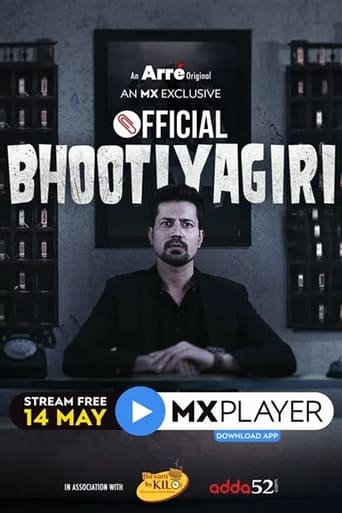
Official Bhootiyagiri continues the comic adventures of the entrepreneur Dilawar Rana, who turns the most unlikely places into businesses, and Untag gathers a group of creative people at an advertising agency who are tired of the labels others put on them. Dil Dosti Daftar and Office Ka Pyaar look at friendship and romance between desks, High Heels enters the world of fashion, where a celebrated designer introduces a newcomer with fresh ideas, and Phir Se Udd Chala uses a story to teach the basics of looking after money. Ye Saali Naukri follows Raviranjan, a young man from a small town, through the long struggle to win a government job.
The professions get their due as well. Raisinghani VS. Raisinghani, with Jennifer Winget, is set in a family law firm, where two young lawyers who were once close find themselves on opposite sides. Lakhan Leela Bhargava, with Ravi Dubey, follows an advocate with a soft heart who fights for clients others have turned away, and in Juhi Mui a sharp-witted young woman with autism puts on the lawyer's gown with her brother as her guide. Dhadkan Zindaggi Kii follows Dr Deepika Sinha, a surgeon making her way in a large hospital, Emergency Room is a tribute to the staff of a casualty ward, and Starting Troubles is taken from the real life of Dr Jagdish Chaturvedi, a medical student who wants to be an actor as well. Kavya - Ek Jazbaa, Ek Junoon follows a young officer of the Indian Administrative Service who tries to balance her duty to the public with her life at home.
Love stories
Romance is everywhere in the catalogue, and the Love stories shelf, with 59 shows, is the largest of the themed shelves. The Love stories help page suggests where to begin.
Dil Bekaraar, from 2021, is the most stylish of them. Taken from Anuja Chauhan's novel Those Pricey Thakur Girls and directed by Habib Faisal, it is set in the Delhi of the 1980s, where Debjani, the fourth of five daughters of a retired judge, reads the news in English on national television, and Dylan, an idealistic newspaper reporter, has written an unkind review of her. The period detail, from the telephones to the television studio, is a pleasure in itself, and Raj Babbar, Poonam Dhillon and Padmini Kolhapure play the older generation.
Many romances begin with an arrangement. In Pyaar Testing, Dhruv and Amrita, introduced by their families, decide to spend time under one roof before the wedding to find out whether they suit each other. In Ek Farzi Love Story, Kritika, who dreams of fame online, and Manav, an accountant who avoids social media, are thrown together when a video of their bickering becomes popular. Divorce Ke Liye Kuch Bhi Karega follows two rival television reporters, Nikki and Ashu, whose competition for the same job leads, by accident, to their being married to each other, and in Jaane Anjaane Hum Mile, Reet, a journalist, and Raghav marry for the sake of their brother and sister and then discover each other.
Differences of background drive several stories. In Ishqyapa, Cupid himself is given the task of bringing together Vikram, from Punjab, and Puii, from Mizoram, with Vinay Pathak in the cast. The Big Bong Connection follows Rohit, a former banker from Bangalore, who wants to become a chef and open a restaurant in Kolkata, and New York Weds New Delhi follows Aaryan and Ananya, who love each other across two continents and disagree about where to live. Tum Jo Mile and Mere Rang Mein Rangne Waali are romances across a social divide, and Dil Deewana Mane Na begins with rivalry between Aranya and Pakhi and ends somewhere else entirely.
The lighter romances are easy company. Seven and A Half Dates, with Karan Wahi and Surbhi Jyoti, follows Aadar and Aaina through a series of meetings that slowly change both their lives. Wrong Number begins when Karan, an engineering student, gets a new telephone number and starts receiving messages meant for its previous owner from Khushi, a medical student. Ishq Next Door is about a quiet young man whose orderly life is brightened by the girl who moves in next door, Chattis Aur Maina pairs the ambitious leader of a dance troupe with the well-behaved boy from the neighbourhood, and Phone-a-Friend is a comic fantasy about a young man, a young woman and a mobile telephone with a mind of its own.
Others are gentler and more reflective. Dooriyan - A Love Story follows Varsha and Megh as distance tests their plans, Mohalle Wala Pyaar reunites two childhood sweethearts at the Diwali fair of their home town, and Kuch Love Jaisa follows Roshni and Shashank, opposites who grow fond of each other against the odds. Aur Kya Chahiye is a slice of life about Jui and Saket, a working couple in Pune who are about to be married, and Couple Goals takes a cheerful look at the small embarrassments of being in a relationship. Roohaniyat, Dear Ishq, in which a famous author crosses swords with an editor, and Tanhaiyan, with Barun Sobti and Surbhi Jyoti, are longer romantic dramas, and Kartik Purnima is a Cinderella story about a young woman who refuses to be defined by the colour of her skin.
More comedy
The Comedy shelf holds 55 shows, and the Comedy help page gives a quick selection. Beyond the sitcoms and the office comedies already mentioned, a few deserve a word.
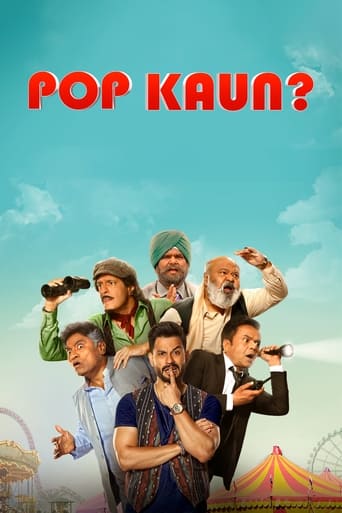
Pop Kaun?, from 2023, is a broad farce in which a young man, played by Kunal Kemmu, sets out to discover who his real father is, and meets a parade of veteran comedians along the way, among them Johnny Lever, Satish Kaushik, Rajpal Yadav and Saurabh Shukla. Badman is a spoof in which the famous screen villain Gulshan Grover, at sixty, decides to relaunch himself as a romantic hero, with many well-known faces appearing as themselves. Chalo Koi Baat Nahi, with Vinay Pathak and Ranvir Shorey, is a sketch show about the everyday irritations of Indian life.
Runaway Lugaai follows Rajni, the obedient son of a politician, whose bride disappears just after the wedding, and Pati Patni Aur Woh, set in Mathura, is a comic story about a husband who remarries and finds that his first wife has stayed on in the house as a ghost with opinions. Aafat follows Ricky Malhotra, a young man in search of the perfect bride, and the five women who turn out to have minds of their own. Bin Bulaye Mehmaan is about guests who arrive uninvited and stay, Maid in Heaven and Maid in India are short comedies about households and the women who keep them running, and My Name Is Sheela follows a domestic worker with wit, talent and ambition.
For flat-sharing comedy there are Raita Phail Gaya, in which a father arrives unannounced at his son's bachelor flat, Pyaar on the Rocks, Thoda Adjust Please and Unbachelored, in which one of two lifelong friends announces that he wants to settle down. Saala Salil follows a singer who is talked into dating by his flatmate, Backstage Boys follows three hopefuls in Chandigarh who dream of the stage, and Lucky Guy is about a boy born with a locket that brings him good fortune, at a price.
Mini-series and anthologies
Sixty-seven shows in the catalogue have six episodes or fewer, and the Mini-series shelf gathers them. The Mini-series help page explains why they make such good evening viewing: the story is complete, the commitment is small, and there is always time for one more.
Karate Girls, in five episodes, follows Komal, a tough teenager with a quick temper who is sent to karate classes to learn self-control, and Abha, the coach's daughter, who has her own reasons for wanting to be the best. Waack Girls, directed by Sooni Taraporevala, follows six young women in Kolkata who form a dance group devoted to waacking, a style few people in their city have heard of. Saat Kadam, with Amit Sadh and Ronit Roy, is a story about football and about a father and son who see the game differently, and Hindmata follows a fashion designer who starts a sewing workshop for women prisoners and slowly wins their trust.
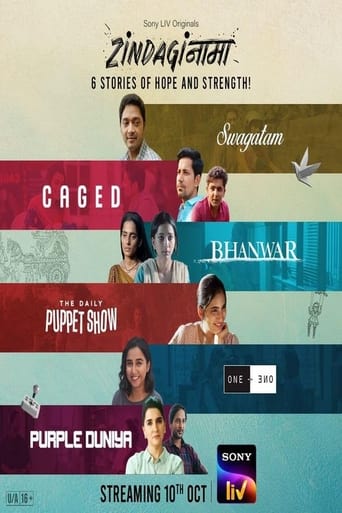
Anthologies tell a new story in every episode. Zindaginama offers six stories about mental health, made with the help of doctors and told with care. Bravehearts offers five stories about the families behind the soldiers of the Indian Army, stories of hope, courage and pride. Yuva: Sapno Ka Safar travels to eight cities for eight stories of young people and their dreams, Jab We Matched tells four comic stories about dating by app, Saath By Chance and Locked in Love are collections of love stories, and Lockdown Rishtey was filmed entirely on mobile telephones in the spring of 2020, with every actor in a different city.
Music gives several short series their energy. Banned follows four boys from Sirsa, in Haryana, who start a band for fun and find themselves famous when one of their songs causes a stir. Bajao, set in the Punjabi pop industry, follows three young film-makers who want to make the biggest music videos in the business, and Junooniyatt follows three singers in Punjab with the same dream. Hai Junoon!, from 2025, with Neil Nitin Mukesh, Jacqueline Fernandez and Boman Irani, sets a college choir against a college dance troupe in a contest for the same trophy.
A few more are worth a mention. Vitromates is a warm story of friends supporting one another through fertility treatment, and Sandhya Ke Aangan Mein is about an actress on her last day of work. Naam Namak Nishan follows two cadets, Yuvraj and Gurbaz, through the Officers Training Academy in Chennai, Rimjhim - Choti Umar, Bada Safar is about a sixteen-year-old in Jaipur who learns of her royal ancestry, and Aryan & Meera watches a young couple take the big step of setting up home together.
The television channels
The Television shelf holds 29 serials first shown on the broadcast channels, and the Television serials help page describes them. They are arranged together because the original site was organised by channel, and its visitors would look for a show under the name of the station that carried it.
Doordarshan, the national broadcaster, is where Indian television drama began, and Circus and Doosra Keval represent its golden years. Star Plus, which began Hindi programming in the 1990s, is represented by Star Bestsellers, Karishma Kaa Karishma, Everest, Airlines, Pyaar Mein Twist and Teri Meri Love Stories. Sony Entertainment Television and its comedy channel Sony SAB contribute Kavya - Ek Jazbaa, Ek Junoon, Dhadkan Zindaggi Kii, Mere Dad Ki Dulhan, Saat Pheron Ki Hera Pherie and Jijaji Chhat Parr Koii Hai; Life OK contributes The Adventures of Hatim and Ek Tha Chandar Ek Thi Sudha; and Colors and Zee TV contribute Junooniyatt, Manpasand Ki Shaadi, Dil Yeh Ziddi Hai and Jaane Anjaane Hum Mile.
The serials chosen from the channels are those that tell one story and finish it. Dil Yeh Ziddi Hai follows Kajal, a young woman who is slowly losing her sight and is determined to become an award-winning actress all the same. Manpasand Ki Shaadi, from the Rajshri company, gives Aarohi one month to find the husband of her own choice, and Sapnon Ki Chhalaang follows Radhika, who leaves a small town for her first job in Mumbai and shares a flat with strangers. Kundli Milan, set in the old city of Mathura, begins when a horoscope threatens the wedding of two childhood sweethearts, and Teri Laadli Main is the story of Bitti, a girl born unable to speak, and her search for acceptance from her own family.
Free series on YouTube
One of the pleasant surprises of the past ten years is the amount of good Hindi drama released free of charge. The YouTube shelf holds 36 series, and the YouTube series help page explains where they come from.
The pioneers were The Viral Fever, known as TVF, and its sister channels, which showed from 2014 onwards that a short series about ordinary young Indians could find an audience of millions online. TVF DaduGiri, Tankesh Diaries, in which the popular couple Tanya and Mikesh, played by Nidhi Singh and Sumeet Vyas, plan a birthday party, Sisters and The Insiders come from that family. Dice Media followed with Brochara, Home Sweet Office, AFK - Away from Keyboard, Unbachelored and High Heels; the channel named Alright! made Backpackers, College Friends, Mohalle Wala Pyaar, Office Ka Pyaar, Kuch Love Jaisa and Pehla Pehla; and RVCJ made Wrong Number and Tuition Days.
The husband-and-wife team behind the channel Shitty Ideas Trending made Maid in Heaven, Bin Bulaye Mehmaan and Grass Is Greener On The Other Side, short comedies of married life. The Good Vibes follows Lakshya and Jo, whose big house is in happy chaos, and Couple Goals, Seven and A Half Dates, Dooriyan - A Love Story and School Friends Class of 2026 are among the most recent arrivals. Because these series are free, they are a good way to sample the form before subscribing to anything.
The streaming services
The remaining web series come from the subscription services, and three shelves hold them: ZEE5, with 15 shows, MX Player, with 17, and Streaming, with 48 from Hotstar, SonyLIV, JioCinema, Prime Video, Amazon miniTV, Voot, Hungama and Eros Now. The Web series and Streaming services help pages introduce them.
ZEE5 has a taste for family stories, and Akoori, Babbar Ka Tabbar, Sutliyan, Paithani, Vitromates, Pyaar Testing and Loop 11:47 are all its productions. MX Player, which offers much of its catalogue free with advertisements, made Basement Company, The Holiday, Aafat, Runaway Lugaai, Roohaniyat, Ghar Set Hai, in which Lakhan and Madhuri begin a new chapter of their lives, and UNI Ki Yaari. Amazon miniTV, a free service inside the shopping application, made Roomies, Ishqyapa, Lucky Guy, Jab We Matched and Naam Namak Nishan.
The larger services have invested in longer and glossier productions. Hotstar and its successor made Dil Bekaraar, Pop Kaun?, Hai Junoon!, Dear Ishq, Juhi Mui and Chattis Aur Maina; SonyLIV made Sandwiched Forever, Zindaginama, Raisinghani VS. Raisinghani, Chalo Koi Baat Nahi and Pehla Pyaar - Less Than 1% Chance; JioCinema made Lakhan Leela Bhargava, Ishq Next Door, Jab Mila Tu and Saath By Chance; and Prime Video made Waack Girls, Ziddi Girls, Going Viral Pvt. Ltd. and Starting Troubles. Voot, an earlier service, made Brochara, Untag, Badman and Khwabon Ke Parindey, and Eros Now and Hungama made Saat Kadam, Hindmata, My Name Is Sheela, Thoda Adjust Please, Raita Phail Gaya and Love Ka Panga.
Services come and go, and several of those named above have merged or changed their names since these series were made. That is one reason for a guide of this kind: the Watch now button on each title page shows where a series can be found today, whatever the name of the service that first released it.
The highest rated
The Top rated shelf gathers the 26 shows with the highest ratings from viewers around the world, and the Top rated help page explains how it works. Because many web series are recent and have been rated by only a small number of viewers, the shelf changes more often than a list of old films would, and it is rebuilt each time the catalogue is refreshed.
A rating is only a guide. The classics of Doordarshan were made long before online ratings existed, and a small series released on YouTube may be loved by a few thousand loyal viewers and unknown to everyone else. The best approach is to treat the shelf as a list of suggestions and to trust your own taste.
Finding a show
There are several ways to find a show on Desi Serials, and the Finding titles help page describes each one. The search box at the top accepts a title and shows matching shows as you type. The Switch Channel panel on the home page lists the most watched shows of each channel and platform, the A to Z page lists all 154 shows in alphabetical order, and the Browse panel leads to the shelves by theme: comedy, drama, love stories, family, friends and college, office life, mini-series and classics.
Hindi titles are written in English letters in more than one way, so if a search finds too little, try a shorter part of the name. Some shows are known by nicknames or abbreviations, and the search understands many of them. A few titles are in English from the start, such as Sisters, Weekends, Roomies, Backpackers and Everest, and the year on each page helps to tell a show from a film or another series with a similar name.
What a title page shows
Every show has a page of its own. At the top are the poster, the title, the year it began and its rating. Below come the story in English, the genres, the cast and, for most shows, a list of seasons and episodes with the date each one was first shown. The Watch now button opens a list of the official services that carry the show in your country, with a note of whether each one offers it to subscribers, free with advertisements, or to rent or buy.
The Add to My List button, on every title page, saves a show to a personal list kept in your own browser. The list is free, opens at once and is there the next time you visit on the same device. The My List help page explains how to add, review and remove shows and how to carry the list to another device. A list is especially handy with short series: add half a dozen mini-series on a Friday, and the weekend is planned.
A first week
For a newcomer, here is a week of evenings. On Monday, begin with the first episodes of Circus, to see where Indian television drama came from and to meet a future star. On Tuesday, laugh with Sisters. On Wednesday, watch Akoori for a family comedy with a flavour of its own. On Thursday, try an episode or two of Star Bestsellers, each a complete story. On Friday, settle into Dil Bekaraar and the Delhi of the 1980s. On Saturday, let the children choose between Karishma Kaa Karishma and The Adventures of Hatim, and on Sunday, finish with Waack Girls or Karate Girls.
A second week might follow a theme. For office comedy, take Weekends, Basement Company and Office vs. Office; for family drama, Sutliyan and Paithani; for romance, Pyaar Testing, Ishqyapa and Seven and A Half Dates; and for something adventurous, Everest and Loop 11:47.
From Doordarshan to the web series
The story of the Hindi serial is worth telling briefly, because it explains the shape of this catalogue. In the 1980s, Doordarshan commissioned serials from film-makers and writers of high reputation, and a story would usually run once a week for a season and then give way to another. The classics of that time were adaptations of novels and short stories, comedies of middle-class life and stories of ordinary professions, and Circus and Doosra Keval belong to that world.
In the 1990s, private satellite channels arrived, among them Zee TV, Sony and Star Plus, and with them came new kinds of programme: the weekly anthology, such as Star Bestsellers, the sitcom, such as Yes Boss, and the children's fantasy, such as Karishma Kaa Karishma and Aaryamaan : Brahmaand Ka Yoddha. From 2000 onwards the daily serial came to dominate the evening schedule, and the finite story became rarer, though it survived in ambitious projects such as Siddhanth and Everest.
The web series brought the finite story back. Cheap mobile data, which reached most of India after 2016, put a screen in every pocket, and young writers and actors found that they could reach an audience directly. The first successes were comedies about students, flatmates and first jobs, made on small budgets and released on YouTube; the streaming services followed, with larger budgets and well-known actors. A typical web series today runs for five to ten episodes of twenty to forty minutes, tells one story and ends, which is exactly what the Doordarshan serial did forty years ago.
The people have changed with the form. Actors such as Sumeet Vyas, Nidhi Singh, Ahsaas Channa, Amol Parashar, Aahana Kumra, Naveen Kasturia, Gagan Arora and Apoorva Arora became familiar faces through web series before they were known anywhere else, and established television stars such as Jennifer Winget, Karan Wahi, Surbhi Jyoti, Ravi Dubey and Eisha Singh have moved happily between the two worlds. Film actors now appear as well: Vinay Pathak, Atul Kulkarni, Lillete Dubey, Boman Irani and Kunal Kemmu are all in this catalogue.
How the catalogue is kept
The catalogue on Desi Serials is checked by hand. Each show is read against its story and its reviews before it joins a shelf, so that the collection stays suitable for a family audience. Daily serials that run for years, contest and talent shows, and web series made for adults belong to other guides, and Desi Serials leaves them out. The descriptions are written in plain English, the seasons and episode dates are checked against the public television databases, and the posters are the official ones.
Desi Serials is a guide. It hosts neither episodes nor downloads; each Watch now button leads to an official, licensed service or channel, so every viewing supports the writers, actors and crews who made the show.
Questions and answers
Questions
What is Desi Serials?
Desi Serials is an English guide to 154 Hindi serials and web series for the family. Each show has a page with its story, seasons, episodes and cast, and a Watch now button that leads to the official services carrying it in your country.
Which shows should I watch first?
Start with Circus, Sisters, Akoori, Star Bestsellers, Dil Bekaraar and Karishma Kaa Karishma. The first-week plan in the guide and the Top rated shelf suggest many more.
Is the catalogue suitable for families?
Yes. Every show is chosen by hand for a family audience, with an emphasis on comedies, family dramas, gentle romances and stories of friendship. The Family shows help page lists the best choices for children.
Are the shows free to watch?
Many are. Series released on YouTube are free, and several services offer shows free with advertisements. The list behind each Watch now button shows which services need a subscription.
How long is a web series?
Most have between four and ten episodes of twenty to forty minutes. The Mini-series shelf gathers 67 shows with six episodes or fewer, each of which can be finished in an evening or two.
How are the channels arranged?
The Switch Channel panel on the home page has five tabs: Television, YouTube, MX Player, ZEE5 and Streaming. Each lists its most watched shows and links to the full shelf.
How does My List work?
The Add to My List button on a title page saves the show in your own browser. The list is free, opens at once and is there on your next visit from the same device.
Does Desi Serials host episodes or downloads?
Desi Serials is a guide only. Every Watch now button leads to an official, licensed service or channel.
